26 Surprising Facts About Coffee
Believe us, reading these will perk up your day.

1. Shepherds discovered coffee in Ethiopia circa 800 A.D.
Legend has it that 9th century goat herders noticed the effect caffeine had on their goats, who appeared to "dance" after eating coffee berries. A local monk then made a drink with coffee berries and found that it kept him awake at night, thus the original cup of coffee was born.
2. Coffee is the second most traded commodity on earth.
According to the Global Exchange, there are approximately 25 million farmers in over 50 countries involved in producing coffee. The number one commodity? Oil.
3. In Italian espresso means "when something is forced out."
This refers to the way espresso is made — forcing boiling water through pressed coffee grounds. And, although espresso has more caffeine per volume than coffee, because it's consumed in smaller quantities, it actually has about a third of the amount of caffeine as a regular cup of coffee.
4. Coffee was the first food to be freeze-dried.
The process of freeze drying — when fresh foods are placed in a dryer where temperatures drop to negative 40 degrees F — first started during World War II to preserve foods.
5. There are two types of coffee beans: Arabica and Robusta.
Seventy percent of coffee beans are Arabica. Although less popular, Robusta is slightly more bitter and has twice as much caffeine.
6. The majority of coffee is produced in Brazil.
Brazil produces 40% of the world's coffee, which is twice as much as 2nd and 3rd place holders, Colombia and Vietnam.
7. Hawaii is the only state in the U.S. that commercially grows coffee.
Kona coffee is the United States' gift to the coffee world. Because coffee grows best in climates along the equator, Hawaii's weather is optimal for harvesting coffee beans.
8. Coffee was originally a food.
Coffee berries were mixed with fat to create an energy-rich snack ball. It was also consumed as a wine when made from the pulp of coffee berries.
9. Coffee is actually a fruit.
Coffee beans as we know them are actually the pits of a cherry-like berry that are grown on bushes. Even though coffee is actually a seed, it's called a bean because of its resemblance to actual beans.
10. The world's most expensive coffee is $600 a pound.
And it comes from the feces of a Sumatran wild cat. The animal — called a Luwak — is unable to digest coffee beans. In the process of digesting the beans, they are fermented in the stomach. When the beans are excreted, they produce a smooth, chocolaty coffee.
Coffee was first banned in Mecca in 1511 because leaders believed it stimulated radical thinking. And, 16th century Italian clergymen tried to ban coffee because they believed it to be "satanic." However, Pope Clement VII loved coffee so much that he lifted the ban and had coffee baptized in 1600. But Ottoman leader Murad IV took it even further when he ascended the throne in 1623 by creating the first punishments for drinking coffee, which included beatings and being thrown into the sea.
In 1746, the Swedish government made it illegal to even have coffee paraphenalia, including cups and dishes. And finally, in 1777, Frederick the Great of Prussia issued a manifesto declaring beer's superiority over coffee because he believed it interfered with the country's beer consumption.
12. You can overdose on coffee.
However, you would need to drink over 100 cups to consume the lethal dose of caffeine.
13. New Yorkers drink almost seven times as much coffee as the rest of the U.S.
However, Finland is the most caffeinated country, where the average adult consumes the equivalent of four or five cups of coffee a day.
Researchers found that older patients with high levels of caffeine in their blood were more likely to avoid Alzheimer's. Studies have also shown that caffeine has positive effects on type 2 diabetes and Parkinson's disease. It has also been shown to protect against skin cancer in women.
15. Coffee stays warmer when you add cream.
Coffee with added cream cools about 20% slower than plain black coffee.
16. But when you add milk, it weakens the effects of caffeine.
Our bodies absorb coffee much slower when it has added fat milk content, which decreases the stimulants.
17. The largest cup of coffee ever was brewed in July 2014 in South Korea.
It was over 3,700 gallons. The largest iced coffee was brewed in Las Vegas in 2010, and was 1,500 gallons — ice not included.
18. Coffee was brought to New Amsterdam (present day New York City) in the mid-1600s.
However, it didn't become very popular until after the Boston Tea Party in 1773. The Civil War and other conflicts helped boost the popularity of coffee.
19. George Washington invented instant coffee.
Not that Washington. Chemist George Constant Washington experimented with dried coffee before he created Red E Coffee — the first brand name instant coffee.
A group of scientists reported that simply inhaling the aroma of coffee can alter the activity of some genes in the brain, reducing the effects of sleep deprivation. And when you do drink that cup of coffee, caffeine reaches your blood fast, like 10 minutes fast.
21. Dark roast coffees have less caffeine than lighter roasts.
Even though the flavor is often stronger, roasting actually burns off some of the caffeine.
22. Decaf does not mean caffeine-free.
An eight ounce brewed cup of decaf coffee actually has two-to-12 milligrams of caffeine. In comparison, a regular cup of coffee has anywhere from 95 to 200 milligrams. (Twelve ounces of coke only has 23-35 milligrams of caffeine.)
23. In the United States, 80% of adults consume caffeine every day.
According to the Food and Drug Administration, the average intake is 200 milligrams, or about two five-ounce cups of coffee.
24. Americans consume 400 million cups of coffee per day.
This is the equivalent to 146 billion cups each year, making the U.S. the leading consumer of coffee.
25. The average worker spends $20 a week on coffee.
26. The original definition of coffee means "wine."
Coffee's original name, qahwah, came from the Yemen term for wine. In Turkey it was called kahveh, until the Dutch referred to it as koffie, where we get the English coffee.
Photos: Getty Images
Watch Next:
A Part of Hearst Digital Media
Good Housekeeping participates in various affiliate marketing programs, which means Good Housekeeping gets paid commissions on purchases made through our links to retailer sites.
©2017 Hearst Communications, Inc. All Rights Reserved.
Kaffee 26


Willkommen im KAFFEE26 & KAFFEE26 ANTIK
Bei uns findet garantiert jeder Kaffee-und EspressogenieГџer seine Geschmacksrichtung.
Unser Anspruch ist es, Frische, Qualität, und Handwerk zu vereinen.
Unsere Kaffee- und Espressosorten sind liebevoll ausgesucht und werden in einer kleinen Berliner Rösterei im Langsamröstverfahren veredelt.
Kaffee- und Espressosorten aus Kolumbien, Brasilien, Afrika oder Indonesien, Bio- und Fair-Trade Kaffees, sowie aromatisierte Kaffeeröstungen gehören zum Standardsortiment. Außerdem bieten wir eine Auswahl an Bio-Teesorten und italienischen Süßwaren.
Das anschließende KAFFEE26 ANTIK bietet als Cafe mit Verkaufsausstellung für Möbel und Porzellane eine gemütliche Cafeatmosphäre.
Wir bieten alle unsere Kaffee- und Espressosorten im Ausschank an. Neben klassischen Kaffeespezialitäten führen wir handgemachte Torten, Kuchen und herzhaftes, wie unsere leckeren Quiches.
FГјr weitere Informationen oder Anfragen fГјr Reservierungen/ Versand von Kaffee/ etc. bitte Email an:
kaffee26@gmx.de, oder telefonisch unter 030 339 39 448.

dieses Jahr haben wir an den ersten 3 Adventssonntagen geöffnet. Am 3.12, 10.12 und 17.12 sind wir von 12-18h für Euch/Sie da. Wir freuen uns auf eine schöne Weihnachtszeit
Presserechtlich verantwortlich: Janine Sadowski
26 Surprising Facts About Coffee
Believe us, reading these will perk up your day.
1. Shepherds discovered coffee in Ethiopia circa 800 A.D.
Legend has it that 9th century goat herders noticed the effect caffeine had on their goats, who appeared to "dance" after eating coffee berries. A local monk then made a drink with coffee berries and found that it kept him awake at night, thus the original cup of coffee was born.
2. Coffee is the second most traded commodity on earth.
According to the Global Exchange, there are approximately 25 million farmers in over 50 countries involved in producing coffee. The number one commodity? Oil.
3. In Italian espresso means "when something is forced out."
This refers to the way espresso is made — forcing boiling water through pressed coffee grounds. And, although espresso has more caffeine per volume than coffee, because it's consumed in smaller quantities, it actually has about a third of the amount of caffeine as a regular cup of coffee.
4. Coffee was the first food to be freeze-dried.
The process of freeze drying — when fresh foods are placed in a dryer where temperatures drop to negative 40 degrees F — first started during World War II to preserve foods.
5. There are two types of coffee beans: Arabica and Robusta.
Seventy percent of coffee beans are Arabica. Although less popular, Robusta is slightly more bitter and has twice as much caffeine.
6. The majority of coffee is produced in Brazil.
Brazil produces 40% of the world's coffee, which is twice as much as 2nd and 3rd place holders, Colombia and Vietnam.
7. Hawaii is the only state in the U.S. that commercially grows coffee.
Kona coffee is the United States' gift to the coffee world. Because coffee grows best in climates along the equator, Hawaii's weather is optimal for harvesting coffee beans.
8. Coffee was originally a food.
Coffee berries were mixed with fat to create an energy-rich snack ball. It was also consumed as a wine when made from the pulp of coffee berries.
9. Coffee is actually a fruit.
Coffee beans as we know them are actually the pits of a cherry-like berry that are grown on bushes. Even though coffee is actually a seed, it's called a bean because of its resemblance to actual beans.
10. The world's most expensive coffee is $600 a pound.
And it comes from the feces of a Sumatran wild cat. The animal — called a Luwak — is unable to digest coffee beans. In the process of digesting the beans, they are fermented in the stomach. When the beans are excreted, they produce a smooth, chocolaty coffee.
Coffee was first banned in Mecca in 1511 because leaders believed it stimulated radical thinking. And, 16th century Italian clergymen tried to ban coffee because they believed it to be "satanic." However, Pope Clement VII loved coffee so much that he lifted the ban and had coffee baptized in 1600. But Ottoman leader Murad IV took it even further when he ascended the throne in 1623 by creating the first punishments for drinking coffee, which included beatings and being thrown into the sea.
In 1746, the Swedish government made it illegal to even have coffee paraphenalia, including cups and dishes. And finally, in 1777, Frederick the Great of Prussia issued a manifesto declaring beer's superiority over coffee because he believed it interfered with the country's beer consumption.
12. You can overdose on coffee.
However, you would need to drink over 100 cups to consume the lethal dose of caffeine.
13. New Yorkers drink almost seven times as much coffee as the rest of the U.S.
However, Finland is the most caffeinated country, where the average adult consumes the equivalent of four or five cups of coffee a day.
Researchers found that older patients with high levels of caffeine in their blood were more likely to avoid Alzheimer's. Studies have also shown that caffeine has positive effects on type 2 diabetes and Parkinson's disease. It has also been shown to protect against skin cancer in women.
15. Coffee stays warmer when you add cream.
Coffee with added cream cools about 20% slower than plain black coffee.
16. But when you add milk, it weakens the effects of caffeine.
Our bodies absorb coffee much slower when it has added fat milk content, which decreases the stimulants.
17. The largest cup of coffee ever was brewed in July 2014 in South Korea.
It was over 3,700 gallons. The largest iced coffee was brewed in Las Vegas in 2010, and was 1,500 gallons — ice not included.
18. Coffee was brought to New Amsterdam (present day New York City) in the mid-1600s.
However, it didn't become very popular until after the Boston Tea Party in 1773. The Civil War and other conflicts helped boost the popularity of coffee.
19. George Washington invented instant coffee.
Not that Washington. Chemist George Constant Washington experimented with dried coffee before he created Red E Coffee — the first brand name instant coffee.
A group of scientists reported that simply inhaling the aroma of coffee can alter the activity of some genes in the brain, reducing the effects of sleep deprivation. And when you do drink that cup of coffee, caffeine reaches your blood fast, like 10 minutes fast.
21. Dark roast coffees have less caffeine than lighter roasts.
Even though the flavor is often stronger, roasting actually burns off some of the caffeine.
22. Decaf does not mean caffeine-free.
An eight ounce brewed cup of decaf coffee actually has two-to-12 milligrams of caffeine. In comparison, a regular cup of coffee has anywhere from 95 to 200 milligrams. (Twelve ounces of coke only has 23-35 milligrams of caffeine.)
23. In the United States, 80% of adults consume caffeine every day.
According to the Food and Drug Administration, the average intake is 200 milligrams, or about two five-ounce cups of coffee.
24. Americans consume 400 million cups of coffee per day.
This is the equivalent to 146 billion cups each year, making the U.S. the leading consumer of coffee.
25. The average worker spends $20 a week on coffee.
26. The original definition of coffee means "wine."
Coffee's original name, qahwah, came from the Yemen term for wine. In Turkey it was called kahveh, until the Dutch referred to it as koffie, where we get the English coffee.
Photos: Getty Images
Watch Next:
A Part of Hearst Digital Media
Good Housekeeping participates in various affiliate marketing programs, which means Good Housekeeping gets paid commissions on purchases made through our links to retailer sites.
©2017 Hearst Communications, Inc. All Rights Reserved.
Mashable
A Nazi-themed cafe in Indonesia that faced widespread criticism for years has finally been shut down — for now.
The Soldaten Kaffee, which is named after a cafe in Paris that was popular with Nazi soldiers, has closed its doors due to a lack of customers.
The cafe had initially shut down in 2013 after owner Henry Mulyana started receiving death threats, but was reopened a year later, with a picture of Adolf Hitler and swastikas still on display.

A Nazi flag adorns the wall of the SoldatenKaffe in Indonesia

However, Mulyana is clearly undeterred, and has pledged to reopen his cafe at a bigger location.
"The public interest is low because the current location is not very strategic," Rohman Hidayat, Mulyana's lawyer, told news agency AFP.
He also added that they were waiting for new investors.
The cafe's Facebook page, which is still available, states that the cafe is not "pro Nazi. it is matter of fact (sic) with the intention of exploring Hitler and the Nazis as pop culture".
Photos taken from the social media page show that the cafe was widely adorned with the the Third Reich eagle, which is stamped even on ceramic dining plates.


Image: SOLDATEN KAFFEE/FACEBOOK

Image: SOLDATEN KAFFEE/FACEBOOK
The cafe, which is located in the Indonesian city of Bandung, first opened in 2011.
However, it was only after some two years that the cafe caught the attention of the media, leading to international criticism, especially from Jewish operations.
The LA-based Simon Wiesenthal Center had previously expressed "outrage and disgust" towards the cafe.
Muslim-majority Indonesia has a relatively small Jewish population.
Mashable
A Nazi-themed cafe in Indonesia that faced widespread criticism for years has finally been shut down — for now.
The Soldaten Kaffee, which is named after a cafe in Paris that was popular with Nazi soldiers, has closed its doors due to a lack of customers.
The cafe had initially shut down in 2013 after owner Henry Mulyana started receiving death threats, but was reopened a year later, with a picture of Adolf Hitler and swastikas still on display.
A Nazi flag adorns the wall of the SoldatenKaffe in Indonesia
However, Mulyana is clearly undeterred, and has pledged to reopen his cafe at a bigger location.
"The public interest is low because the current location is not very strategic," Rohman Hidayat, Mulyana's lawyer, told news agency AFP.
He also added that they were waiting for new investors.
The cafe's Facebook page, which is still available, states that the cafe is not "pro Nazi. it is matter of fact (sic) with the intention of exploring Hitler and the Nazis as pop culture".
Photos taken from the social media page show that the cafe was widely adorned with the the Third Reich eagle, which is stamped even on ceramic dining plates.
Image: SOLDATEN KAFFEE/FACEBOOK
Image: SOLDATEN KAFFEE/FACEBOOK
The cafe, which is located in the Indonesian city of Bandung, first opened in 2011.
However, it was only after some two years that the cafe caught the attention of the media, leading to international criticism, especially from Jewish operations.
The LA-based Simon Wiesenthal Center had previously expressed "outrage and disgust" towards the cafe.
Muslim-majority Indonesia has a relatively small Jewish population.
Kaffee Berlin Coupons
Phone: (061) 881-3713
26 cours Albert Thomas
Quick Facts
- Cuisine: Coffee & Tea
- Accepts Credit Card: Yes
- Parking: N/A
- Atmosphere: N/A
- Takes Reservation: N/A
- Serves Alcohol: N/A
- Smoking Allowed: No
Kaffee Berlin is a Coffee & Tea restaurant. It's located at 26 cours Albert Thomas in Lyon, Rhone 69008. There are places near Kaffee Berlin giving great discounts. . This discounts range from $ to $. The discount should provide you having a total of $.
People on the web say that Kaffee Berlin is . Kaffee Berlin also provides Coffee & Tea cuisine, accepts credit card, and no parking . FriendsEAT Members have given the restaurant a rating 7 out 10 based on 20 total reviews.
This means the restaurant is pretty well liked.
Restaurant Coupons
You're viewing the mobile version of FriendsEAT.
© 2006-2017 FriendsEAT, LLC. All rights reserved.
Welcome to Kaffeebar
At KAFFEEBAR we believe in healthy eating that tastes good, while being as sustainable as possible. We are the sum of our parts: half German - half Australian - in Berlin-Kreuzberg.

We have great coffee, cake, sweet treats, fresh juices and tasty brunch items - all homemade and many gluten free and vegan.

Kaffeebar Catering
Photo shoot, birthday picnic, office breakfast, press days or just having some friends around - we've got you covered. We have all our classics and are happy to tailor to your party as well as dietary needs.

KAFFEEBAR BERLIN, Graefestrasse 8, 10967 Berlin | Impressum | Site design by Andrew Weber Design
Who will you share a cup with?
This blend—which includes our expertly aged Sumatran beans — is specially roasted to bring out their depth and vibrance. The cedary-spice notes pair perfectly with holiday flavors including cinnamon, nutmeg and cloves.
Available in whole bean, ground, K-Cup® and Verismo® Pods, and Starbucks VIA® Instant Coffee.

The Best Coffee. Starbucks Coffee Finder.
Our coffee masters have distilled their years of tasting knowledge down to three simple questions to help you find a Starbucks coffee you’re sure to love.
OUR RAREST COFFEES, SMALL-BATCH ROASTED IN SEATTLE
We travel the world in search of great coffee. In the process, we discover beans so special and rare that we can’t wait to bring them home and share. Each of these small-lot coffees has its own story to tell, and we meticulously develop a signature roast for every one of them.

How to Brew
It’s surprising how different brewing methods can enhance particular characteristics in your coffee. Let us help you unlock the full potential of your coffee—for the perfect cup every time.
Career Center
For Business
Online Community
Quick Links
© 2017 Starbucks Corporation. All rights reserved.
Willmar Fests
June 20th through June 24th, 2018

Willmar Fests
This annual festival promotes Willmar Area Attractions, pride in the community and the quality of life through family participation featuring events for citizens of all ages. The purpose of Willmar Fests is to encourage the imagination, talents, interests and creativity of the residents of the Willmar Area. Willmar Fests is the combination of four Festivals rolled into one big summer city wide celebration; International Fest which honors Willmar's sister city of Frameries, Belgium, Aqua Fest featuring water events, Frameries Fest which is a Fine Arts Celebration and Kaffee Fests honoring the coffee tradition of Willmar's Scandinavian roots.
WEDNESDAY, JUNE 20th 8:00 am – Flag Raising Ceremony at Selvig Park in Downtown Willmar 8:30 am – “Kaffee Fest with the Candidates” at the Barn Theatre 2:00 pm – Senior Ambassador Coronation at Willmar Community Center 4:00 pm –
Willmar Fests features two parades as part of our annual celebration. Willmar Fests Kiddie Parade The Willmar Fests’ Kiddie Parade takes part during the Block Party Celebration on Thursday evening in Downtown Willmar – find out more on the Kiddie
We are excited to be celebrating Willmar Fests’ 73rd year in 2018, as you may know, this five-day event includes a wide array of family activities including; a Willmar Stingers Baseball game, the Grande Day Parade, Queen’s Coronation, Little Crow
Willmar Fests Grande Day Parade Register Now!
Help support Willmar Fests 2018. sign up to be a sponsor now! Sign Up Here!

2017 Raffle Ticket Winners!
Congrats to our Willmar Fests Raffle winners. Winners were announced at the intermission of the Little Crow Ski Show on Saturday, June 24th, 2017. $1,000 Nicole Dahl $250 Linda Mogard Ross Magnuson $100 Nevaeh Schandorff Bre Smith Damon Jongbloed Jerry

Willmar Fests Beach Party Featuring The White Keys and The Little Crow Ski Show
Get ready for an incredible night with the Willmar Fests Beach Party at Robbins Island, Saturday, June 24th. We kick off the festivities at 7:30 pm with the Little Crow Ski Team as they cruise the water with and
Kaffee Klatch
October 26 @ 10:00 am - 12:00 pm
and Once on September 18, 2017,
and Once on September 28, 2017,
and Once on October 5, 2017,
and Once on October 13, 2017,
and Once on October 16, 2017,
and Once on October 26, 2017,
and Once on October 31, 2017,
and Once on November 28, 2017,
and Once on December 8, 2017,
and Once on December 18, 2017,
and Once on January 4, 2018,
and Once on January 10, 2018,
and Once on January 19, 2018,
and Once on January 30, 2018
Event Navigation
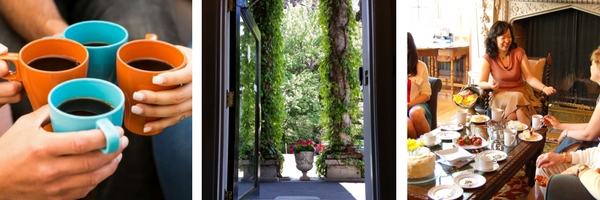
Start your day with a good cup, tasty refreshments, and great conversation! Klatch is the German word used to describe casual social gatherings for refreshments and informal conversation. This regular drop-in series will be held in the Oak Room and is free for all members to attend.
Sponsored by the Membership Committee.
Venue
Event Navigation
Contact Information
University Women's Club of Vancouver
1489 McRae Avenue, Vancouver, BC V6H 1V1
Telephone: 604 731 4661

Upcoming Events
National Day of Remembrance and Action on Violence Against Women
Winter Holiday Family Fun
Prospective Member Mix and Mingle
© 2017 The University Women's Club of Vancouver. All Rights Reserved.


Комментариев нет:
Отправить комментарий