Vienna Classics
Aroma, warmth, colours, variety - those are the main characteristics of the classic Viennese coffee recipes, which have literally been around for hundreds of years. Many of the recipes are named after famous Austrian writers, composers and aristocratic figures. Immerse yourself into a world of tradition paired with amazing taste.
Base for all recipes:
7-8 grams of freshly ground coffee, tamping weight 15-20 kg, 20-30 seconds extraction time should produce 30 ml of coffee (including crema). Serve it in a small, tapered cup, showing the golden, slightly marbled crema.

Small / Large "Schwarzer"
A small respectively large “Schwarzer” is a single or double espresso. It consists of 7/14 grams of coffee and 3/6 cl water. Preparation time is 20-30 seconds.

Small / Large "Brauner"
A small respectively large “Brauner” is a single or double espresso served with a small creamer of coffee cream on the side allowing you to tailor your espresso as you please.

Verlängerter (Café Americano)
Small cup of espresso served in a large coffee cup with hot water added to the coffee or in a small creamer on the side. It can be served with or without milk.

Melange (Viennese Melange)
A Melange is the typical Viennese coffee specialty. It is one small espresso served in a large cup with half steamed milk topped off with milk froth.

Kaffee verkehrt (Latte Macchiato)
“Verkehrt” means upside down and this is exactly what characterizes this smooth milky coffee, for it has more milk than coffee. Pour 1/3 hot milk and 1/3 milk foam into a high glass and add one shot of espresso.

Franziskaner (Franciscan Monk)
Similar to Melange except for whipped cream, which replaces the milk foam. Serve a single espresso with warm milk and a cap of whipped cream in a large coffee cup (1/3 coffee, 1/3 milk, 1/3 whipped cream).

Mozart Café
One double Espresso with a cap of whipped cream served with 2cl of sherry brandy on the side.

Einspänner
The name Einspänner is derived from the traditional one-horse carriage of the 19th century Vienna. Pour a double espresso into a glass with a handle, stretch with 3 cl water and top with a dollop of whipped cream.

Wiener Eiskaffee (Viennese Iced Coffee)
2 scoops of vanilla ice cream, cold milk, 2 espressos. Cover ice cream with cold milk and pour 2 espressos over it. Serve with straw and long spoon.
Coffee, of Course
Coffee in Austria is very important and an essential part of our food culture. Drinking coffee is celebrated either at home or in one of our many cafés and can last up to an hour or more. Here we want to present you with a selection of Austria's most famous coffee variations.
© Österreich Werbung, Fotograf: Ilgner
Kleiner Brauner and Großer Brauner
Translated into English it literally means Little Brown One or Large Brown One and comes close to what people consider to be ordinary coffee: black coffee with a bit of milk. Usually the coffee is not filtered, but steamed like an espresso. The milk or cream is usually served in a tiny pot with the coffee so the guest can decide how much to put into the coffee.
Kleiner Schwarzer / Grosser Schwarzer
single Espresso / double Espresso
One of the most popular variations of coffee, the Melange is a mix of frothed milk and steamed coffee. The Viennese coffee company Meinl specifies it as having "equal parts steamed milk and foam", and serves theirs dusted with cocoa powder. The Viennese melange originates from Vienna, hence the name, and is typically served in a glas.
Kaisermelange (The Emperor's Melange)
The Kaisermelange consists of strong black coffee, an egg yolk and honey. In a cup, the egg yolk is mixed with honey and while stirring the mix the strong black coffee is added slowly. In Vienna, a shot of cognac is also added to the mix.
Not typical Austrian but never the less very popular. It is a coffee drink made with espresso and steamed or frothed milk.
Einspänner (Mocha with whipped cream)
Strong, black coffee usually served in a glass instead of a mug with a dash of whipped cream on top.
The Fiaker, who is named after the famous horse-and-carriages in Vienna,is strong, black coffee served in a glass with lots of sugar, a shot of rum and whipped cream on top.
Similar to a Fiaker but served cold. The Mazagran is a strong, black coffee served with ice, a shot of rum and a bit of sugar. This delicacy is especially good during the hot summer months.
A diluted and weaker, but larger version of the Großer Brauner, typically served with milk and optionally a bit of sugar.
Fine black coffee doused with foamed milk and served with whipped cream and cocoa powder.
Named after the famous empress, this exlusive Viennese coffee variation is prepared from black coffee with delicious orange liqueur.
1/3 of black coffee in a glass mixed with 2/3 of hot and foamed milk.
Served in a glass, the black coffee is topped with fresh Baileys, whipped cream and cocoa powder.
A double espresso served with vanilla ice cream and freshly whipped cream.
Black coffee with a shot of liquid cream.
Black coffee with whipped cream and a shot of apricot liqueur.
Black filter coffee with a lot of milk served in a coffee mug instead of a cup.
Strong Espresso topped off with a mix of egg yolk and sugar. The egg yolk is mixed with sugar and whipped until foamy before put on top of the coffee.
A small black coffee mixed with liquid sugar, red wine and vodka.
Hot chocolate with a shot of strong espresso .
Follow Austria in the United States:
A Taste of Austria
Austrian Press & Information Service in the United States
750g Christstollen mit 250g Dresdner Espresso, ganze Kaffee-Bohnen


750g hand-made original Dresdner Christstollen in a gift carton and Dresdner Espresso "Premium", Espresso made of whole coffee beans, 250g, roasted in a drum roasting procedure, packaged in a flavoured bag to guarantee the flavour and taste of the coffee
Ingredients: Wheat flour, sultanas, butter, water, crystallized sugar, lemon (cedar fruit, glucose fructose syrup, sugar), sweet almonds, buttered malt, yeast, orange peel (orange peel, glucose fructose syrup, sugar), lemon peel (sugar, lemon peel, Flavor, thickener E466), almond bitter, milk powder, real overeating, iodized food salt, spatula, powdered sugar
- Nährwertangaben -
No reviews for this product.
delicate foodwordwide. Customer Service: +49(0)351 - 265 512 23 Payment Methods
Kaffee melange

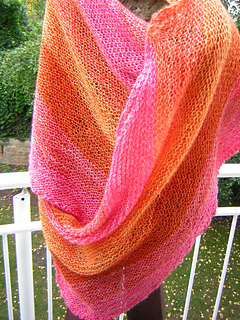
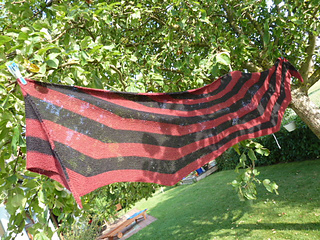
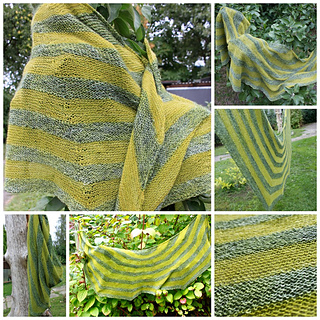
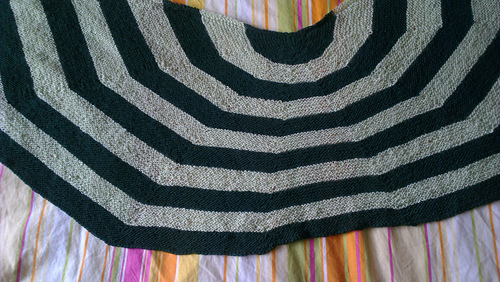
in garter stitch (= knit all rows)
This pattern is available in English and German.
(Für deutsche Erläuterungen bitte nach unten scrollen.)
When you buy this scarf, you will get a 2.80 Euro discount for the Mocca pattern (so you will pay less than half the price)! - This works without a coupon-code. The 2.80 Euros will be automatically deducted when you check out.
Or choose four of my designs, and pay only three! The least expensive one will be free. Make sure to put all four patterns in your shopping basket before you check out.
Face the upcoming winter days with a touch of elegance and warmth. Melange’s beautiful wing-like shape drapes naturally around the neck with no bulkiness, only the perfect amount of fabric to fend off the cold.
The shawl is worked top down, from the centre out. Increases and short rows form the dramatic wings.
Using just two skeins of Zitron Filisilk, you’ll have enough yarn left over to knit the Mocca cowl, Melange’s whimsical counterpart.
If you like this design, you might want to join us at my group and discuss the pattern there!
Wer vier meiner Muster ersteht, bekommt das günstigste von ihnen geschenkt. Dazu alle Muster vor dem Bezahlen zusammen in den Einkaufswagen legen.
Die eleganten und zeitlosen Streifen in behaglicher Wolle bereiten die Garderobe auf die kommenden kälteren Tage vor. Dabei lässt sich Melange sowohl mit sportiver Freizeitkleidung als auch mit förmlichen Business-Outfits kombinieren und legt sich schmal, komfortabel und unprätentiös wie von selbst um den Hals.
Der Schal wird wie ein Dreieckstuch von der Mitte nach unten zur langen Kante hin gestrickt. Zunahmen und verkürzte Reihen geben ihm seine flügelähnliche Form.
Melange wird durch den Mocca-Rundschal ergänzt, um die beiden Stränge Zitron Filisilk optimal zu nutzen: Die Überbleibsel der für den Melange-Schal verwendeten Wollstränge reichen genau für diesen raffinierten kleinen Loop.
- Zitron Filisilk; 70 % Schurwolle, 30 % Seide; 600 m/100 g; Fb A = 3008 (Kaffee), Fb B = 3031 (dunkles Anthrazit)
- Verbrauch: 516 m/86 g von Fb A und 426 m/71 g von Fb B
- Rundstricknadel Nr. 4, 150 cm lang
19 Maschen x 55 Reihen (27,5 Rippen) = 10 cm x 10 cm mit Nadel Nr. 4 kraus rechts (= alle Reihen rechts stricken)
- Breite in der Mitte: 29 cm
- maximale Breite: 35,5 cm
Wenn euch das Design gefällt, seid ihr herzlich eingeladen in meiner Gruppe mit uns über das Muster zu diskutieren und gemeinsam zu stricken!
- English
- German
 1947 projects
 stashed 1641 times
What Is Milchkaffee? - German Café au Lait
/milchkaffee2-56a36cf93df78cf7727d5673.jpg)
Milchkaffee is a coffee drink you can order in almost any café or pub in Germany. It is strong, filter coffee topped off up to the rim of the cup with hot milk and sometimes milk froth.
Cocoa powder is often sprinkled on top. It is served unsweetened and is sweetened to taste before drinking by the lucky drinker of this warming beverage. It also is often served with a little Danish butter cookie from the tin.
The proportions are 50% milk and 50% coffee. It predates all the fancy espresso drinks at today's modern coffee shops.
You Say Melange, I Say Milchkaffee
Milchkaffee is known by several different names, depending on which country you are in when ordering.
Austria: Particularly in Viennese coffee houses, a milchkaffee is called a melange and is made from a mokka or a kleinen schwarzen, which is a regular, strong coffee very similar to espresso, and milk. Wiener melange is made with frothed milk.
A großen braunen and kleinen braunen (large and small browns) are terms for large and small mokkas with whipped cream.
Switzerland: A milchkaffee in Switzerland is named after the vessel it's served in -- schale. Sometimes milchkaffee is served as separate milk and coffee, with a lot of space in the cup to pour the milk in to your liking.
More Hot and Cold German Beverages
It wouldn't be winter or summer without one of these drinks to warm the tummy or slake the thirst in Germany:
- German Hot Cocoa vs. Hot Chocolate: This popular German beverage is made with cocoa powder, not chocolate, and can be drunk hot or cold. Heißeschokolade is not made from cocoa powder or mixes. It is made from real chocolate (like a chocolate bar) which can be melted and stirred into milk or water. It often has added sweetener and cap of whipped cream.
- German Ice Cream and Coffee Recipe:This refreshing not-too-sweet mixture of cold coffee, ice cream, and whipped cream is more of an adult treat than a kid's sundae that is served at cafés and pubs in Germany.
- German Coffee with Rum Recipe: German pharisaeerkaffee has an interesting back story so be sure to check out the recipe for this beverage made with strong coffee, dark rum, and sugar cubes.
International Coffee Drinks
Here are 7 more ways to drink hot and cold coffee in Spain, Italy, Greece, Germany, France and Portugal.
There are coffeehouses
and there’s Café Central
A revolutionary (Trotsky), a psychoanalyst (Freud), several writers and poets (including Polgar, Zweig and Altenberg) and an architect (Loos) walked into a café. What sounds like the start of a joke was an everyday occurrence at Café Central (est. 1876). Over coffee, cake and the odd cigar, some of the greatest poets, philosophers and – it has to be said – storytellers the world has ever seen, got together in Vienna’s most attractive coffeehouse.
The menu includes a broad selection of classic Viennese dishes, traditional coffee specialities and sweet treats from the in-house patisserie. Soak up the historic surroundings as you sample Café Central’s mouth-watering choice of culinary creations. With its unique Mediterranean flair, the Arkadenhof is the perfect setting for formal and informal functions – not to mention press conferences or private meetings away from prying eyes. Just like Altenberg enjoyed it. Who incidentally walked out without paying.
Café Central is operated by Palais Events and located inside Palais Ferstel, a palatial mansion house inspired by Venetian Trecento-era architecture. Suitable for various kinds of events, its rooms are bound to leave an unforgettable impression on your guests.
Reservation
(09.00 a.m -06.00 p.m. weekdays) or
We ask for your understanding that on weekends, public holidays and in the pre-Christmas season no reservations are taken. Please note that there might be a short waiting time.
It is our pleasure to enable all of our guests a wonderful stay at Café Central.
We are looking forward to your visit!
Corner Herrengasse / Strauchgasse
Group & Guest Relations Café Central
Tel:+43 (1) 533 37 63-61
Tel:+43 (1) 533 37 63-24
Opening hours
Monday to Saturday 7.30 a.m. – 10.00 p.m.
Sunday and public holiday 10.00 a.m. – 10.00 p.m.
Piano entertainment daily
from 5.00 p.m. – 10.00 p.m.
Plan your Route
A truly central location
As the name suggests, Café Central is the real centre of Vienna – not St. Stephen’s Cathedral. The entrance to this coffee and cake lovers’ paradise is on the corner of Herrengasse and Strauchgasse in the first district. The city’s best-known sights and museums and its most exclusive shopping streets – Graben and Kärntner Strasse – are all within easy walking distance.
Heavenly Herrengasse
Herrengasse has long been the site of some of the capital’s most attractive mansion houses and grand buildings. The street takes its name from the German word “Herren”, a reference to the nobles who built their homes here. After all, the gentry who took up residence on Herrengasse wanted to be as close as possible to the Hofburg and the imperial court. Palais Herberstein, Palais Wilczek, Palais Batthyány, Palais Trauttmansdorff, Palais Daun-Kinsky and of course Palais Ferstel – the home of Café Central – can all be found here. This well-heeled neighbourhood is also referred to locally as the Palaisviertel.
Traffic-calming measures have been introduced on Herrengasse, leaving plenty of space for pedestrians, horse-drawn carriages and public transport.
It is the perfect place to take a stroll and enjoy excellent shopping at stores selling a host of quintessentially Viennese originals.
Did you know?
Schanigarten, the term used for outdoor seating, dates back to the mid-18th century. In summer, a waiter by the name of Johann (Schani in Viennese dialect) at the former Café Taroni used to carry out the garden furniture.
Food & Drink
Take your pick
Schnitzel, not Schnitzler

Whichever way you look at it, no other piece of Viennese literature makes for such enjoyable reading as our menu. What’s more, local specialities such as a classic schnitzel, hearty goulash soup or feather-light Kaiserschmarrn take this sense of enjoyment to the next level.
A taste of what’s on the menu:

All rates are in EUR incl. taxes, rates are subject to change.
€ 11,50 – 2-course menu
The Coffee
Functions in the Arkadenhof
Large-scale events with a Mediterranean touch
Café Central’s beautiful Arkadenhof is perfect for laid-back events and gatherings for groups between 20 – 80 people. The Arkadenhof has a Mediterranean charm all of its own, with its magnificent marble staircase and amazing glass ceiling reminiscent of Trecento-era Venice.
Your guests can reach the Arkadenhof through a separate entrance on Herrengasse.


Did you know?
The glass of water traditionally served with coffee is meant to cleanse the palate. The face-down coffee spoon on top of the glass is a sign that the glass has been freshly filled up, a remnant of Habsburg etiquette.


Biedermeier

Mocha with milk

Kaffee verkehrt

Maria Theresia


Verlängerter

Viennese iced coffee

Salon-Einspänner

Coffee culture
Can you speak the language of coffee?
Any Viennese coffeehouse worth its salt, won’t serve you a pot of coffee and there certainly won’t be a frappuccino in sight. The Austrian capital has a coffee culture all of its own, with a few rather unusual creations. First things first: When a native of the city talks about “Obers” they mean cream. “Schlagobers” is fluffy whipped cream. It is served in a dollop known locally as a “Gupf”. “Schlag”, which also means a punch, is the Viennese word for whipped cream, so if the waiter asks if you want “Kaffee mit Schlag”, you don’t need to worry about getting a black eye. A “Grosser Mokka” (large mocha) is topped with a proper “Gupf” of whipped cream.
Coffee culture
Can you speak the language of coffee?
Any Viennese coffeehouse worth its salt, won’t serve you a pot of coffee and there certainly won’t be a frappuccino in sight. The Austrian capital has a coffee culture all of its own, with a few rather unusual creations. First things first: When a native of the city talks about “Obers” they mean cream. “Schlagobers” is fluffy whipped cream. It is served in a dollop known locally as a “Gupf”. “Schlag”, which also means a punch, is the Viennese word for whipped cream, so if the waiter asks if you want “Kaffee mit Schlag”, you don’t need to worry about getting a black eye. A “Grosser Mokka” (large mocha) is topped with a proper “Gupf” of whipped cream.
Biedermeier
Mocha with milk
Kaffee verkehrt
Maria Theresia
Verlängerter
Viennese iced coffee
Salon-Einspänner
Vienna’s culture of enjoyment at its finest
Viennese cuisine is a melange of different delicacies. It is also a reminder of just how huge Austria once was. Goulash came from Hungary and dumplings from Bohemia. “Wiener Schnitzel” actually originated in Italy. And the city’s love of “Tafelspitz” (boiled beef) was mainly down to Emperor Franz Joseph.
The nice thing about Viennese is the way it creates diminutives simply by adding “erl” to the end of a word. Append the suffix and a normal coffee, or “Kaffee”, becomes a Kaffeetscherl. And a croissant is affectionately referred to in the capital as a “Kipferl“. What’s more, a little “erl” automatically cuts the calorie count! So it’s time to follow culinary tradition and add that all-important “erl” to a Schnitzel, transforming it into a “Schnitzerl“. Whenever you polish off a portion of “Kaiserschmarren”, slice of cake, freshly baked pastries or a piece of apple strudel, just remember to say “erl” to yourself, and the calories will take care of themselves.

“It is a great pleasure to interpret traditional dishes in a modern way”


Pâtisserie
Believe it or not, two of France’s most popular foods – the croissant and the baguette – were actually created by a Viennese pastry chef. No, really! August Zang came up with the ideas in Paris around 1839 for both.
The time-honoured Viennese tradition of artisanal baking is still going strong at Café Central, with a huge choice of sweet temptations lovingly prepared in the in-house patisserie.
Time and again, our pâtisserie team and head pâtissiere Manuela Radlherr comes up with the most exquisite creations – like “Sisis Marille”, an indulgent glossy apricot dome packed with mousse and cream. Or “Central Surprise”, a beautiful blend of orange caramel, Bavarian cream and chocolate. Other classic sweets like the famous Café Central Torte, traditional apple strudel and feather-light pancakes filled with fruity apricot jam, keep our guests coming back for more.

“Creating sweet temptations is our speciality”
Take home a slice of enjoyment
Café Central is almost notorious for the excellent food served there. Anyone who casts an eye over the sweet taste sensations on display, stays rooted to the spot, pondering and imagining the flavours, before taking another glance, thinking and sighing. Why not try for yourself? Or how about a surprise for your loved ones at home or just some “emergency supplies”? All of our sumptuous specialities are available to take away.
For those extra-special occasions
Whether it’s for a special celebration or just for the sake of it, Café Central also accepts orders for cakes. A great party calls for a great cake and the mouth-watering creations from our pâtisserie are hugely popular for wedding receptions and jubilees. The more painstaking, the better!

Did you know?
Café Central’s most famous waiter was Herr Jean. He only allowed a select few to run up a tab. And the only person he lent money to was Alfred Polgar.
Take a look inside


Did you know?
Peter Altenberg had his mail sent to Café Central – as well as his laundry!
The more satisfied our guests…
A short insight in our guests’ feedback:
Everything was absolutely wonderful, both the food and coffee! ! I had a wonderful coffee with egg white.
Yesterday, I came to Cafe central to have a coffee and a nice pastry. I really enjoyed it I must say, and the café central is an amazing place, congratulations.
Going back in time. Ate traditional Austrian pancake. Austrian atmosphere with great service. I highly recommend.
The meal was wonderful, the soups were fresh and the main dishes were tasty, including the traditional Viennese Schnitzel and the suckling pig. The service was nice, waiters treated us friendly and the food came quickly.
Architecture
Palais Ferstel – or what comes of a trip to Italy.
A slice of Italy in the heart of Vienna?! This was the brainchild of Heinrich von Ferstel, who returned from a journey to Italy brimming with inspiration, and between 1856 and 1860 built what is the most magnificent example of a Gründerzeit mansion house. Incorporating whichever aspects appealed to him, von Ferstel’s elegant design combined elements of Venetian and Florentine architecture and art from the Trecento period. The building was never actually intended as a city palace in the traditional sense, but as the home of the central bank and stock exchange. It was only given the name Palais Ferstel in 1982.
Today visitors can stroll through the Ferstelpassage – a wonderful setting for parties and functions, with the gentle murmur of Anton von Fernkorn’s Danube Mermaid Fountain in the background – before stopping off at Café Central around the corner.
Ferstel championed the use of natural materials, and only the finest stone was good enough.
The sturdy wrought-iron gates were the work of a silversmith, and the facade is adorned with sculptures from Hanns Gasser. The interior features stucco lustro, ornate paintwork, leather wall coverings and fine wood panelling.
The entire construction including the interior cost the princely sum of 1,897,600 guilders (today approx. 25 million Euro). This is even more astonishing in view of the words of the central bank governor of the time, Franz von Pipitz, who demanded that “the construction should be strictly economical and eschew worthless luxury”.
Heinrich von Ferstel died at the age of 51, but the spellbinding beauty of his designs for Vienna’s Votivkirche church, Museum of Applied Arts and University of Applied Arts, as well as the Palazzo del Lloyd Austriaco in Trieste live on.

1856 - 1860
The young architect Heinrich von Ferstel builds the opulent Palais with its fantastic Venetian-cum-Florentine-cum-Trecento architecture, inspired from his long journey through Italy. “The Ferstel” was the most fashionable building in Vienna.
The Vienna Stock Exchange rents the ground floor, todays Café Central. And the Austrian-Hungarian national Bank is based at Palais Ferstel.
For the first time Gustav & Hermann Pach open the former “Börsecafé” in the stock exchange at the Café Central in the Palais Ferstel – at the time the most modern building in Vienna, formerly used as a bank and stock exchange building.
the café has cult status. The regular guests – among them grand literary figures, poets and thinkers – call themselves “Centralists”, after the café. Because if they had not just been with us, then they were on their way. The meeting place for intellectual Vienna.
The café becomes a café-restaurant. It now has an arcaded courtyard, a columned hall, a ladies’ salon and a games room.
Newly redecorated Café Central celebrates its 50 th anniversary.
The dark days cast their shadows on the Central. The Café has to change into a “coffee house” as a consequence of the National Socialist Aryanisation. And many of the regular guests lose their second home or even their lives during the Second World War.
The curtain falls: the Central has to close for four decades. It becomes an archive and storage area in the heavily damaged Palais Ferstel.
The Viennese basketball community moves into the poorly renovated Palais. Hoops are now shot daily in the “Herrengasse Hall”.
Die Österreichische Realitäten-AG (ÖRAG) übernimmt das Gebäude.
1970 - 1980
The decade of the new beginning: the greatly faded splendour of the Palais Ferstel is restored by a careful revitalization by the Austrian Real Estate AG. Office spaces were expanded, ballrooms and the shopping mall restored.
1981 - 1983
The arcade courtyard is also revitalized and in the meantime the Café Central opens its doors. The ORF’s (Austrian Broadcasting Company’s) well-known cultural and discussion programme “Café Central” is then broadcast from here.
Together with the large Ferstel Hall above, the Café is refurbished in the final stages of the renovation. In 1986 the Central re-opens in the magnificent columned hall.
The Karl Wlaschek Private Foundation takes over the Palais Ferstel with the Café Central and establishes the Palais Events Veranstaltungen limited company to run the properties. Later the company also manages the Wiener Börsensäle (Vienna Stock Exchange Halls) and the Palais Daun-Kinsky.
The arcade courtyard reopens for coffeehouse guests and groups.
Palais Events becomes part of the Austrian Travel Group.
A first record year: The Central welcomes 380 000 guests.
The Café Central is rebuilt – a central showcase greets guests with its tempting patisserie.
480 000 people now visit the Café Central in Vienna annually.
Café Central is celebrating its 140 th anniversary. With an “open mic” young literati and poets are coming back on stage. Tradition and modernity are going hand in hand.
A day in the life of Café Central
Daily routine
There’s never a dull moment for the people who work at Café Central. At three in the morning (!) fresh culinary creations, fluffy whipped creams and delicate cake bases are already taking shape in the patisserie. The sound of cutlets being tenderised for schnitzels rings out from the kitchen. Every day of the year over 100 dedicated souls work tirelessly to make sure that guests have everything their heart desires.

A hive of activity
3am-7am: Over in the patisserie, staff are flouring, kneading, grinding, baking and sugaring like there’s no tomorrow, bringing the pâtissière’s ideas to life.
Good morning and bon appetit!
7.30am-3pm: This is when breakfast time gradually gives way to lunchtime. Late risers can order goulash, Sacherwürstel sausages, schnitzel or roast chicken from 11am. With lunch slowly winding down, afternoon coffee is the order of the day. Of course, it wouldn’t be the same without cake. A blissful state that often lasts until 5pm.


Welcome home!
5pm: From now until closing time, Café Central takes on the air of a salon, and the subtle tones of the Bösendorfer grand piano fill the air. After a satisfying afternoon coffee, it’s time to glance at the menu and start thinking about dinner.
Good night.
10pm: It’s a shame, but Café Central has to close its doors sometime. And while some guests head home or back to their hotel, for others the evening is only just beginning.

Did you know?
Café Central was also known as a chess university. Alfred Polgar and Leon Trotsky were the most formidable opponents.
Legendary ‘Centralists’
„Central is not a coffeehouse like any other – it’s a philosophy.“
In his Theorie des Café Central (Theory of Café Central), Viennese dramatist and essayist Alfred Polgar (1873-1955) gives a detailed insight into the nature and essence of ‘Centralists’, as Café Central’s regulars were known. A number of famous personalities regarded this place of tranquillity, upheaval, cigars, coffee, chess and billiards as their home.
They held court at hotly contested regulars’ tables, notable names including Polgar, Loos, Werfel, Hofmannsthal, Alternberg, Musil, Kraus, Kuh, Schnitzler, Zweig, and a few revolutionaries to boot – Trotsky, Lenin and Stalin.
As Alfred Polgar put it so fittingly: “A proper Centralist, locked in his coffeehouse, has the feeling of being cast out into the harsh world, exposed to strange coincidences, anomalies and the cruelties of the unknown.” “Café Central is located below Vienna’s line of latitude, on the meridian of loneliness. Its inhabitants are mainly people whose misanthropy is as strong as the craving for people who want to be alone, but also want company as they do so.”
Naturally, this aura of intellectual exhilaration had a magical effect on the ladies, so every now and again a heart was destined to be broken. One such belonged to Peter Altenberg, who had idolised the wife of Adolf Loos, Lina.
In the lulls between heated debates, out came the chess boards. The play was of the highest quality: Alfred Polgar was a dreaded opponent and defeating Leon Trotsky (alias Herr Bronstein) was a rare and scarcely believable honour.
Peter Altenberg can still be found in Café Central to this day – although only as a papier mâché figure. He sits next to the entrance, casting a rather grim, yet curious eye over guests as they arrive.
Herr Jean (Johann Czerny), a waiter at the Central, was just as famous as his former regulars. He knew everything there was to know about everything, but was rather tight-lipped. He even helped out the odd Centralist who was strapped for cash – but only if they were “someone”. After all, he himself was “someone”.
There are so many stories to tell, but let’s finish off with the words of Alfred Polgar: “It’s a coffeehouse, take everything on balance. You’ll never come across another place like it.”
Viennese Coffee Specialities
In the traditionall “Viennese Cafe” you do not just drink “a coffee”!
You enjoy a “Kleinen Braunen”, you dribble your kipferl into the “Melange”, you sipping your “Schale Gold” or downwelling on a “Einspänner”. In no other city there are so many coffee specialties and refinements of this drink as in Vienna.
Every coffee specialty is served on a rectangular or oval silver tray with a small glass of water.
- The smallest cup is the “Nussschale” or “Mokkatasse”.
- The next size is the “Pikkolo”. It is one and a half of the size of a “Nussschale”.
- The largest is the “Teeschale”.
- “Laufglas” is a high, bolt glass.
- Last but not least there is the “Einspännerglas”. This is a glass with a handle in a size between Nussschale and Pikkolo.

Mokka or Mocca or Mocha

A mocha is a very strong coffee, which is prepared in the mocca cooker. In this machine, the water is boiled upwards through the coffee grounds.
Kleiner Brauner or Großer Brauner
Small or large “Brauner” – Single or double Espresso with milk (not cream)

Schale Braun
Espresso with cream (not milk)

Espresso, small or large, prepared with less water than a “Brauner”. Can be drunk black or with milk or cream.
Schale Gold
Espresso, small or large, mixed with the right amount of cream so that it becomes a golden color.

Teeschale Gold
“Schale Gold” served in the larger “Teeschale”.
Schale Nuss
Espresso, small or large, mixed with the right amount of cream so that it becomes a the color of a walnut.
in the past it has also been called „Weisse“
The most traditional and popular Viennese coffee specialty is an espresso in a piccolot with hot milk, which is poured with a touch of cream. This results in a mixture (“melange” = french for mixture or blend) half milk and half coffee which is finished with a hood of frothed milk.
If you want to learn the subtle nuances, it requires additions when ordering: “more light” or “more dark”, and who is a connoisseur, supplements “without” which means the addition of frothed milk .
And for those who take it quite traditionally here the “old distinctions” of the Melange:
- mit Schlag (with whipped cream)
- mit ohne (with without)
- passiert (sieved)
- mit Haut (with a skin)
- mit Haut und mit Schlag (with skin and whipped cream)
- mit Haut und ohne Schlag (with skin without whipped cream)
- ohne Haut mit Schlag (without skin and whipped cream)
- ohne Haut und ohne Schlag (without skin without whipped cream)

Verlängerter
also “Gestreckter” or casually called “G’streckter” (which means streched)
Espresso in the piccolo cup is “stretched” or extended with hot water.

Gestreckter
see under “Verlängerter”
Kaisermelange
“Verlängerter” espresso with an egg yolk and two coffee spoons of honey are mixed with a shot of brandy. At the Kaisermelange, the egg yolks gives the coffe a nice brownish coloure, instead of milk.
Mokka gespritzt
also “Doppelmokka”, Espresso with brandy.
Einspänner
In Vienna a half a pair of sausages, a “Fiaker” (horse-drawn carriage) with one horse, or the coffee served in a glass with an handle and a dash of whipped cream is called “Einspänner”. It has its name from the Viennese Fiaker coachmen who, due to the lack of food after the First World War, drove their carriages only with one Horse, the “Einspänner”.
The fiakers had to hold the horse with one hand, so the hot coffee had to be served in a glass jar. Glass and drink are called “Einspänner”.
One mixes in the traditional “Einspänner” glass (glass with handle) an espresso with some sugar and garnishes the whole with a hood or “Schlagobers” (whipped cream).
Add a shot of “Kirschwasser” (cherry schnapps) and you have another Viennese coffee speciality – the “Fiaker”.

An espresso is mixed with a few drops of cream until it has the color of the cowl of a capuchin, and sprinkled on top with cocoa or grated chocolate. And so this coffee was called Capuchin – in German “Kapuziner”.
The Kapuziner was a specialty in Austria long before the Espressomaschine was invented in Italy.
During times the Kapuziner became Cappuccino. How did this happen? There are some legends about it. The fact is that Kapuziner translated into Italian is Cappuccino.
Nowadays we all drink the well-known cappuccino, which has little in common with its original form.

A double espresso is mixed with double shot of rum and sugar, served with a cinnamon topping and whipped cream, served in the “Einspänner” glass.
also see under “Einspänner” or “Kaffee Kirsch”
A double espresso is mixed with cherry schnapps and sugar, garnished with a “Schlagobershaube” and served in the Einspännerglas. Its name was given to this coffee, probably because it was drunk by the “Fiakern” between two fares.

Türkischer
also Mokka passiert
The Turkish “Kaffeekanderl” (samll coffe jug) remained in the coat of arms of the Viennese coffee-maker as a souvenir of the year 1683, just like the “Kipferl” symbolizing the Turkish crescent.
Turkish (extremely fine) ground coffee, is blended with dust of sugar (to taste) and sometimes also with a pinch of salt and abundantly of it in the Turkish Kaffeekanderl. Fill the Kanderl up to 2/3 with fresh water, let it boil over fire twice and quench with a few drops of cold water, so that the coffee grounds are set to the ground. Turkish coffee is served only after it boiled three times. Traditionally this specialty is flavored with ground cardamom and served with a piece of Rahat.
Turkish coffee is always served without a spoon, otherwise the coffee grounds would be stirred up. Therefore the sugar is already added during the preparation.
Kaffee Verkehrt
“Verkehrt” (means the other way around) because that coffee contains more milk than coffee. Coffee is mixed with milk in a ratio of three to one.
Traditionally, a small espresso is poured into the Teeschale with a mixture of milk and cream. Nowadays the coffee is mostly served in a tall glass – similar to the cappuccino in an Italian espresso.
Unfortunately, this coffee specialty, although once very popular, has been completely suppressed by the cappuccino or caffe latte.

Kaffee Kirsch
Wiener Eiskaffee
Viennese Ice-Coffee has been around for ages. Already the Cafetier Milani served this coveted delicacy in his “Lemonade Tent” at around 1790.
Pour the vanilla ice-cream into a tall glass, pour in cold, strong, sweetened black coffee, and serve with whipped cream dome with hollow sugar rolls, a straw and a long-stemmed ice spoon.
The Viennese ice-coffee really consists of coffee and ice cream, not to be confused with:

Franziskaner
The Franciscans were the eponym for this wholesome Viennese coffee specialty by the color of their religious dress. A temptation for everyone who likes to enjoy sweet, viscid coffee. Already in the time of Wallenstein, who was known to have no coffee at all, it was a Franciscan friar who acclaimed to all: “Be awake, lest you fall into temptation.”
A small espresso with lots of milk, 2 coffee spoons of whipped cream, chocolate sprinkles and sugar served in specialty glass.

The “Obermayer” is named after a musician of the Vienna Philharmonic.
Sweetened large espresso on which a thin layer of cold cream floats. Coffee is poured over the coffee spoon. The hot coffee is drunk through the cold top and must not be mix beforehand.

Hot double espresso with a shot of Cognac (French Brandy).
Maria Theresia(ner)
A single espresso sweetened with liquid sugar, seasoned with orange liqueur and a hood of whipped cream topped with colorful sugar sprinkles.

Sweetened espresso with cognac flambéed.
Lemon and orange peel, sugar, cinnamon and cloves are doused with Grand Marnier, coffee added and briefly heated, strained into a glass and with cognac flambéed.
Amadeus oder Mozart
Double espresso with Mozart liqueur, whipped cream and almond crisps.
Double espresso with a dash of cream.
Double espresso with vodka and honey.
Gestürzter (Überstürzter) Neumann
The meaning of the name is “The overturned Neumann” (whereby “Neumann” is the name of a person). Put whipped cream in an empty coffee cup and “overturn” it with an espresso.

Obers gespritzt
One tenth of espresso coffee and nine tenths of a cup.
A strong espresso is blended in the glass with maraschino, spices and liquid sugar and ice cubes are added. It is more or less a longdrink.

Rüdesheimer
Sweetened Asbach-Uralt-Weinbrand (brandy) flambéed, let it burn a bit and extinguish the flames with an espresso. Season it with vanilla-flavored whipped cream and chocolate sprinkles. Serve it (if available) in the traditional “Rüdesheimer” cup.
Irish coffee
Heat up Whiskey with brown sugar in an Irish coffee glass over a candle, flambé the whiskey and immediately wipe off with strong black coffee, cover the surface with a half-whipped cream and serve without a straw.

Coffee and cream in separated jugs.
Single Espresso with hot water served in a “Laufglas”
Café Melange






Связанные запросы
- café melange клагенфурт •
- café melange клагенфурт photos •
- café melange клагенфурт location •
- café melange клагенфурт address •
- café melange клагенфурт •
- cafe melange клагенфурт •
- café melange клагенфурт •
- melange клагенфурт •
- Страны:
- Бельгия
- Бразилия
- Канада
- Чили
- Финляндия
- Франция
- Германия
- Великобритания
- Венгрия
- Индонезия
- Япония
- Мексика
- Нидерланды
- Филиппины
- Россия
- Сингапур
- Испания
- Таиланд
- Турция
- Другие интересные места в г. Клагенфурт:
- a
- b
- c
- d
- e
- f
- g
- h
- i
- j
- k
- l
- m
- n
- o
- p
- q
- r
- s
- t
- u
- v
- w
- x
- y
- z
- #
Foursquare © 2017 Сделано с любовью в Нью-Йорке и Сан-Франциско


- Пн–Сб
- 7:30–22:00
- Вс
- 9:00–22:00


Вам также понравится

Schleppe Platz 4
"Lässiges abchillen und vor allem am Nachmittag: debeli Hlat vlo. Dicker Schatten!😎"

La Piazza Cafe Bar
"вкусно:) и ламбруско вкусное тоже ))"

Park Haus - Das Café im Goethepark
Sankt Veiter Ring 10
"Beim Eingang gibt's einen knallgelben Sticker von pingeb.org Mit ihm und einem Smartphone lernt man jede Woche coole neue Musik aus Klagenfurt kennen."
Это ваша компания? Подать запрос на управление
Убедитесь, что ваша информация актуальна. А также воспользуйтесь нашими бесплатными инструментами, чтобы найти новых клиентов.
Kaffee melange


Humboldtstraße 45/89 |Ecke Körblergasse| 8010 Graz
Öffnungszeiten: Mo - Fr: 08:00 - 18:00
0043 | 650 63 60 242
Mo-Fr: 08:00 bis 11:00 Uhr
Das Große für 1 Person 1 Semmerl od. 2 Scheiben Vollkornbrot & 1 Mohn-, Rosinen- od. Vollkornweckerl, Schinken-Käse-Platte, 1 Portion Butter, hausgemachte Marmelade od. Honig, weiches BIO-Ei & 1/8l BIO-Orangensaft (A,C,G,H)
Das Große für 2 Personen 2 Semmerl, 2 Scheiben Vollkornbrot & 2 Mohn-, Rosinen- od. Vollkornweckerl, Schinken-Käse-Platte, 2 Portionen Butter, hausgemachte Marmelade od. Honig, 2 weiche BIO-Ei & 2 BIO-Orangensaft 1/8l (A,C,G,H)
Das Große vegetarisch für 1 Person 1 Semmerl od. 2 Scheiben Vollkornbrot & 1 Mohn-, Rosinen- od. Vollkornweckerl, Käse-Platte, 1 Aufstrich,1 Portion Butter, hausgemachte Marmelade od. Honig, weiches BIO-Ei & 1/8l Orangensaft (A,C,G,H,M)
Die Üblichen
Mokka mit Milch
ein Mokka mit der gleichen Menge heißem Wasser verlängert - der eigentliche Verlängerte!
Melange (G) halb Kaffee, halb heiße Milch - nicht geschäumt!
Melange mit geschäumter Milch
heute bekannt als Café Latte
Die Nostalgischen
großer Mokka mit Schlaghäubchen und Marillenlikör - sehr gut!
kleiner Mokka im Glas mit viel Schlagobers
großer Mokka im Glas mit viel Zucker und einem Stamperl Sliwovitz oder Rum
schwarzer Verlängerter mit Cognac
kleiner Mokka, mit Schokoladelikör & Schlaghäubchen
Verlängerter mit Kirschwasser
großer Mokka mit Schlaghaube
starker Mokka, gesüßt mit an Zitronenschale geriebenem Zuckerstück - exotisch!
heiße Schokolade (von Zotter) mit Mokka
Mokka mit geschäumter Milch und Honig
Mokka mit Kahlúa - stammt aus den Dreissigerjahren und schmeckt köstlich!
Mokka mit Eierlikör
großer Mokka mit Mamas Nussschnaps & Schlaghäubchen


Anders als in den heutigen Cafés war es früher in den Kaffeehäusern durchaus üblich, dass jene Orte auch zum Verweilen, Genießen, Zeitung studieren und Gedankenaustauschen genutzt wurden.
Eva-Maria Gössl greift mit ihrem KAFFEEHÄFERL genau auf diese Werte zurück und schafft ein Ambiente, das zum Verweilen und Genießen einlädt. Ein hübsches Tagescafé mit hausgemachten Brötchen, guten Mehlspeisen, einem nostalgischen Ambiente, das für Jung als auch Alt ansprechend ist und mit persönlichem Charme und Freundlichkeit einen familiären Rahmen schafft.
Sorgsam ausgewählte Möbelstücke aus vergangenen Zeiten, zusammengesammelt von Flohmärkten, Altmöbelmessen und Liebhabern und von eigener Hand liebevoll restauriert, tragen zur besonderen Athmosphäre des KAFFEEHÄFERLs bei.
Das von dem Künstler Tom Lohner von Hand bemalte Schaufenster lässt die Kunden schon von außen erahnen was sie drinnen vorfinden werden. Hohe Qualität, besonderes Augenmerk auf Regionalität und Herkunft, die Liebe zum Detail und die Leidenschaft für Besonderes.
Zu den angebotenen Köstlichkeiten zählen hausgemachte Brötchen, selbstgebackene Mehlspeisen, Weine vom südsteirischen Bio-Winzer Holger Hagen, nostalgische Kaffeevariationen mit Kaffee aus dem Hause Hornig und eine Vielfalt an mit Liebe gefertigten Spezialitäten.
Üdvözöljük honlapunkon
EurГіpai stГlusГє, elegГЎns Г©tterem az egyetem kГ¶zelГ©ben. NemzetkГ¶zi konyha, 130 fЕ‘s Г©tterem, 25 fЕ‘s kГјlГ¶nterem, 80 fЕ‘s fedett terasz. KГјlГ¶nleges koktГ©lok, rendezvГ©nyek, Гјzleti ebГ©dek, vacsorГЎk lebonyolГtГЎsГЎra alkalmas. HГ©tkГ¶znapokra menГјt szolgГЎlunk fel. KГ¶nnyen megkГ¶zelГthetЕ‘, ingyenes parkolГЎsi lehetЕ‘sГ©g.
BelГ©pГ©s / RegisztrГЎciГі
KГ©pek az Г©tteremrЕ‘l
Heti menГјajГЎnlatunk


"A" Kijevi jГ©rcemell burgonyapГјrГ©vel,kГЎposzta salГЎta
A Paleo MenГјnk a fejlГ©c "KГЌNГЃLATUNK" menГјpontjГЎban talГЎlhatГі!


Комментариев нет:
Отправить комментарий